
Libraries Can’t Serve Communities They Don’t Know
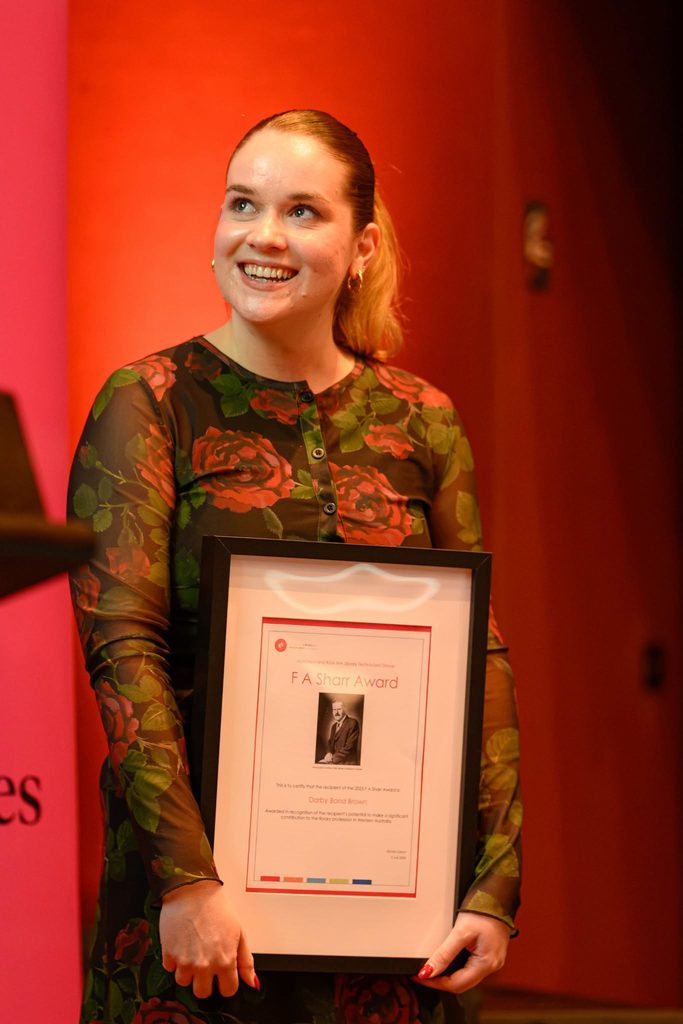
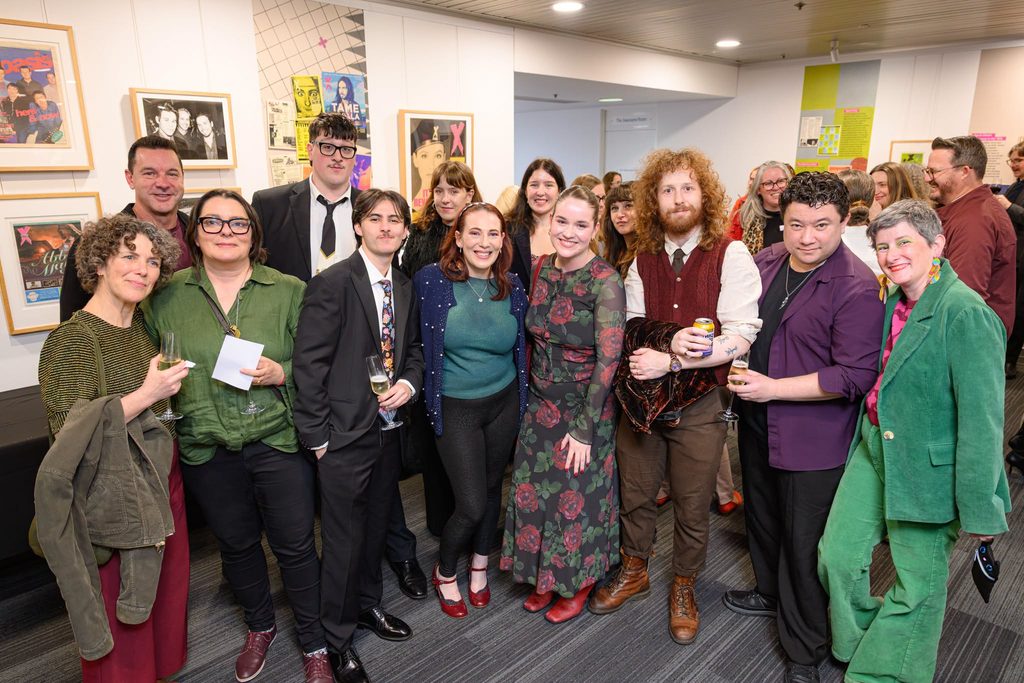
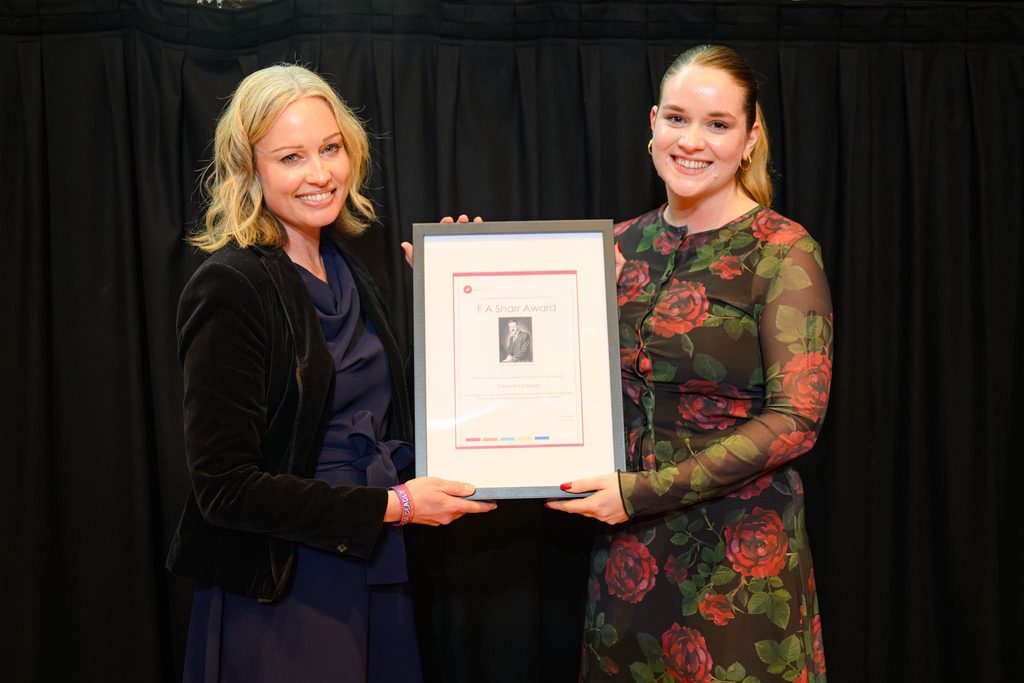
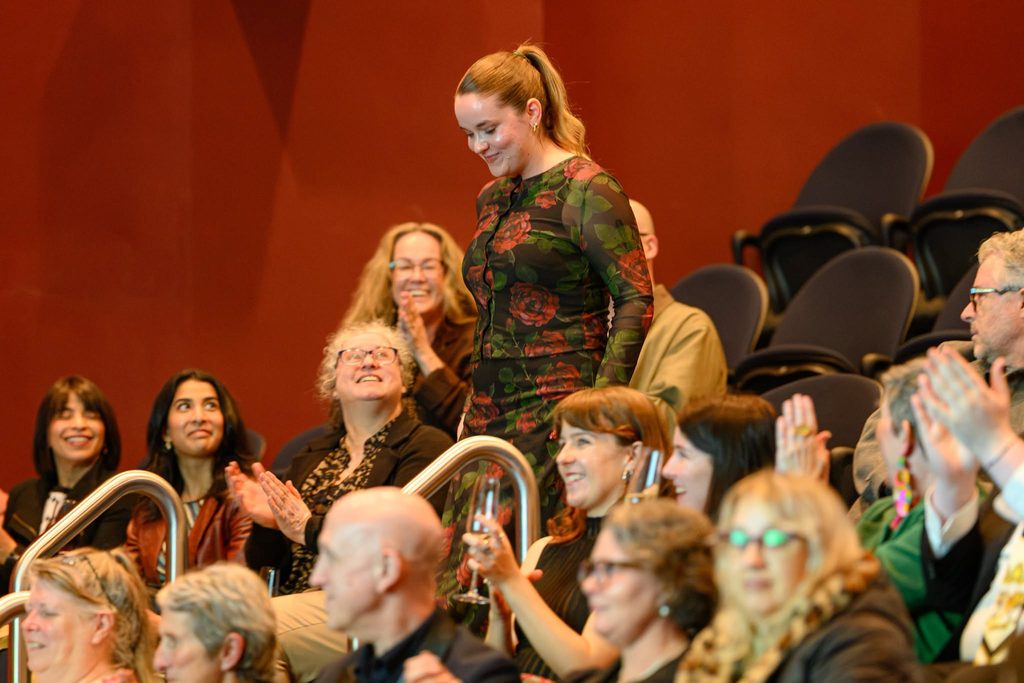
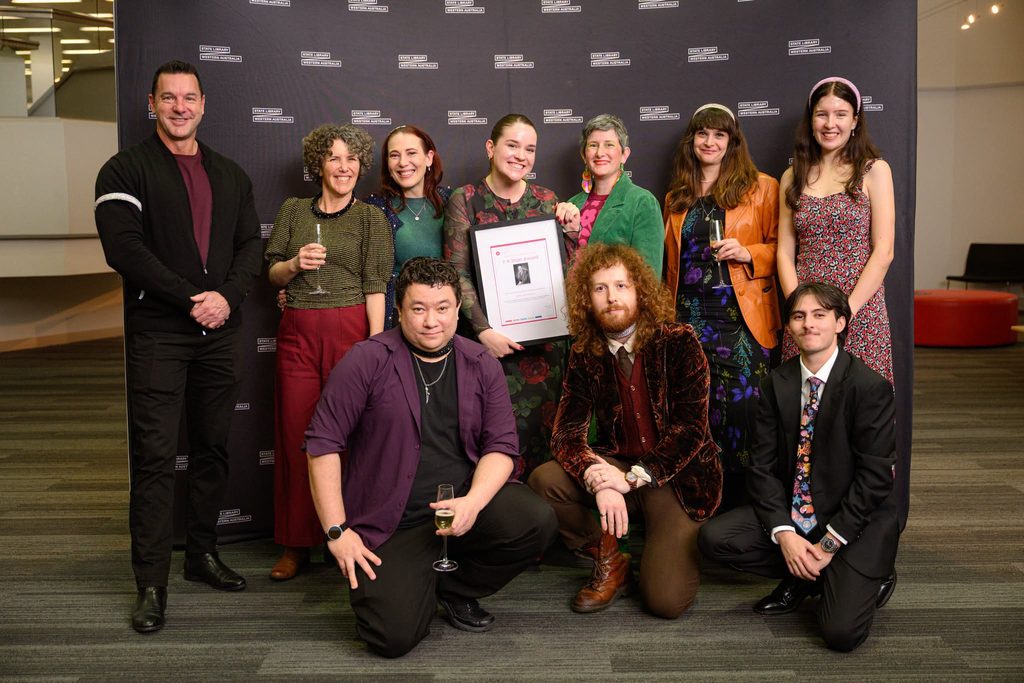
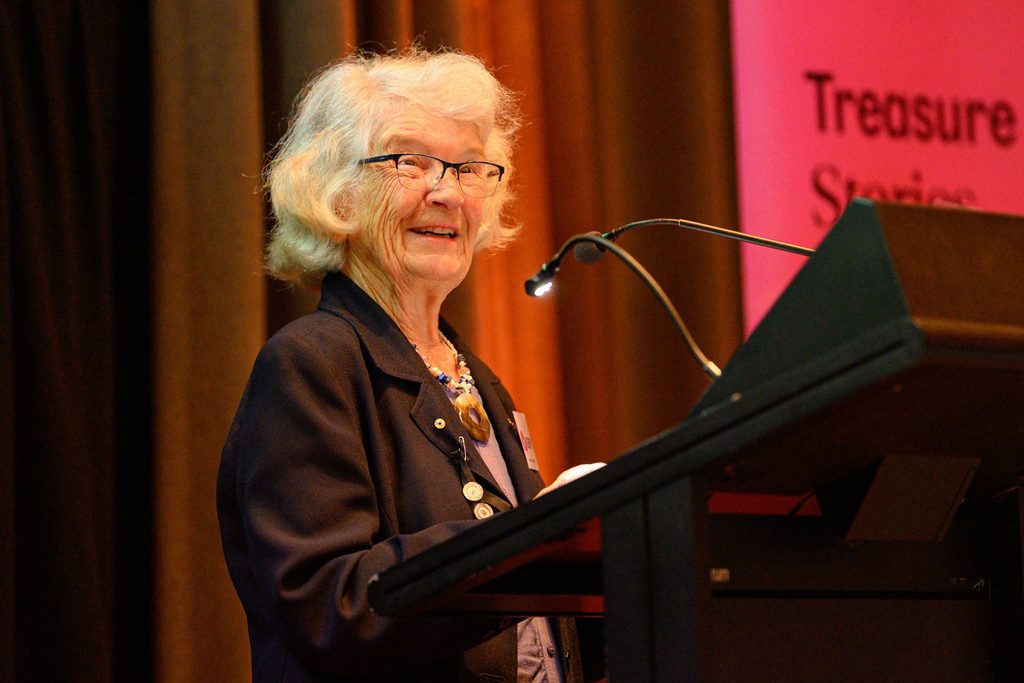
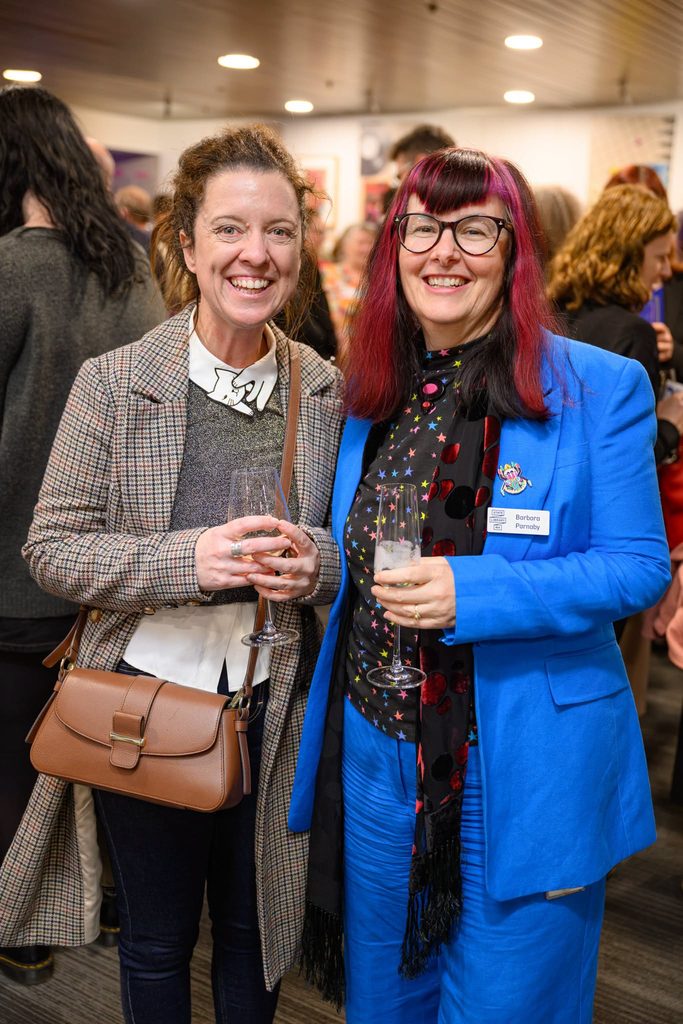
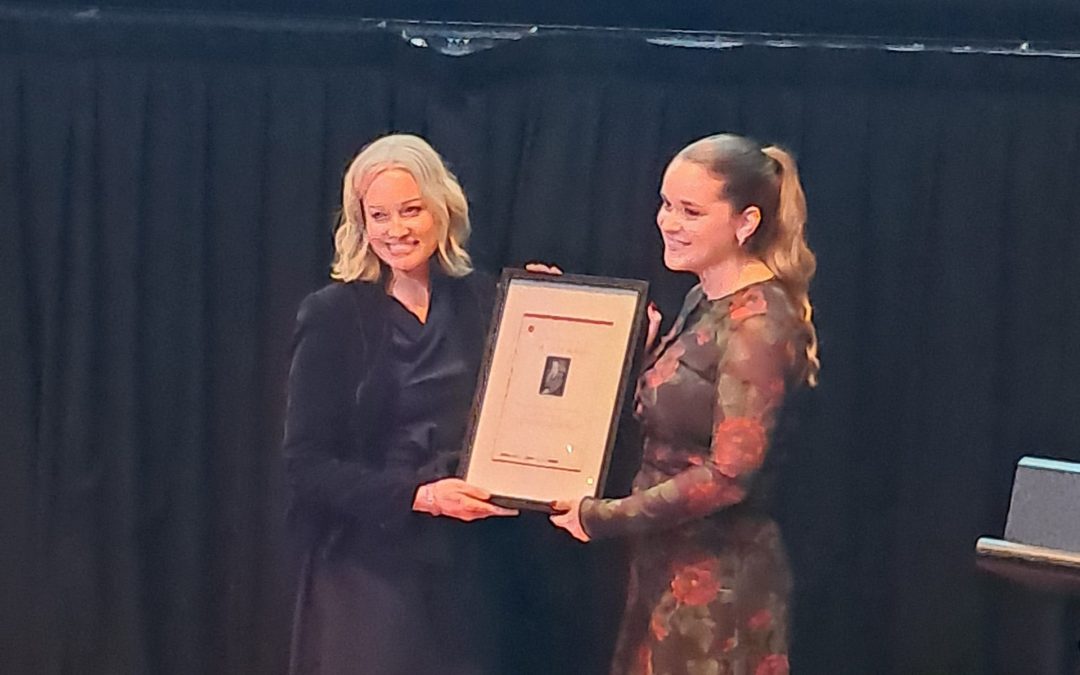
On the 2nd July, I had the honour and privilege of receiving the F.A. Sharr Award for the potential for significant contributions to the library field in WA.
I was asked to identify the biggest issue facing Australian public libraries, which I found challenging to narrow down to a single challenge.
As a librarian at a public library, I am fascinated by the diversity which makes up the unique communities we serve, but am concerned about the pressures they are experiencing. More than 20% of Australians experience high levels of digital exclusion (Australian Digital Inclusion Index, 2025), annual living costs increased by between 2.3 and 4.2% in the last year (Australian Bureau of Statistics, 2026), and education has been one of the fastest-growing household costs, (Australian Bureau of Statistics, 2026).
The prevalence of misinformation is increasing astronomically, with 74% of Australians reporting they are concerned about misinformation, the highest rate globally (Australian Communications and Media Authority, 2025)
And overall, we are seeing less than half of Australians read for pleasure. Around 44% have low or very low literacy (Australia Reads, 2026).
Initially, I considered these to be separate problems. But I came to realise they are all symptoms of a larger challenge: our communities are changing rapidly, and libraries need to adapt alongside them.
When I joined the City of Vincent Library in 2023, we were seeing declining membership, visitation and borrowing figures. We had a committed team and quality services, but there were signs that what we offered was no longer fully aligned with what our community needed.
That led us to explore community-led librarianship, an approach that shifts libraries away from delivering services for communities and towards delivering them with communities.
At its simplest, community-led practice involves five key stages: community entry, community mapping, relationship building, partnership building and program planning. Rather than assuming what people need, libraries spend time understanding who their community is, building relationships, and working alongside local organisations and residents to design solutions together.
We began applying this approach across a number of library services.
One example was digital inclusion, where, instead of designing a program internally and hoping people would attend, we co-designed our digital literacy service with aged care providers and organisations already supporting digitally excluded communities, who already had an understanding of their user’s unique digital needs. We also partnered with the WA Digital Inclusion Project and ICT students from the National Institute of Technology. Within four months of launching, participation increased by 45 per cent compared to the previous year.
We also applied community-led principles to collection development through the Vincent Book Fair. Working with local booksellers, we invited community members to help select books for the library collection. Hundreds of books were reviewed, discussed and chosen by the people who would ultimately borrow them. The process gave people a sense of ownership over the library while ensuring the collection reflected their interests and needs. In the months that followed, borrowing increased by 20%
Overall, the implementation of community-led practice resulted in adult program attendance increased by almost 69% and the number of adult programs delivered increased by more than 268%. Importantly, this growth occurred without increasing staffing levels. By working alongside community partners, we were able to expand our reach, capacity and impact without overworking staff.
The outcomes reinforce the value of this work and its potential as a model for the future of public libraries and local governments more broadly. I am very excited about how this approach can be shared more widely across the sector.
The examples I shared came from a public library context, but the principles are so transferable across the profession.
School libraries can work with students to shape collections, learning spaces and literacy initiatives. Academic libraries can partner with students and researchers to co-design services and resources. Special libraries can strengthen engagement by developing deeper relationships with the communities and organisations they support. Public libraries can use community-led approaches to everything from strategic planning and space design to programming.
The challenges facing libraries will continue to evolve. Technology will continue to change, community expectations will shift and new social and economic pressures will emerge. But community-led practice is an evidence-based model which offers a long term and sustainable solution to meeting the evolving needs of our communities, because, at its very simplest, we just can’t serve our communities if we don’t truly know them.





Excellent insights and inspiring work! Well done, Darby.
Thank you so much Kael!
What a detailed and welcoming tour of the new ECU City Campus Library! The way you described how the design connects with Indigenous culture through earthy tones really stood out to me. It’s such a thoughtful touch that makes the space feel both modern and rooted in place. I especially loved hearing about the WAPA exhibitions—seems like a great way to bring art and community together. As someone who runs Baby Gender Predictor, where we help parents plan baby showers with fun predictions, I always appreciate creative spaces that encourage connection and storytelling.